International Society for Traumatic Stress Studies
ISTSS is an international, interdisciplinary professional organization dedicated to advancing and exchanging knowledge about traumatic stress, encompassing its scope and consequences, prevention, amelioration, and advocacy for the field.
Donate Now
Meeting
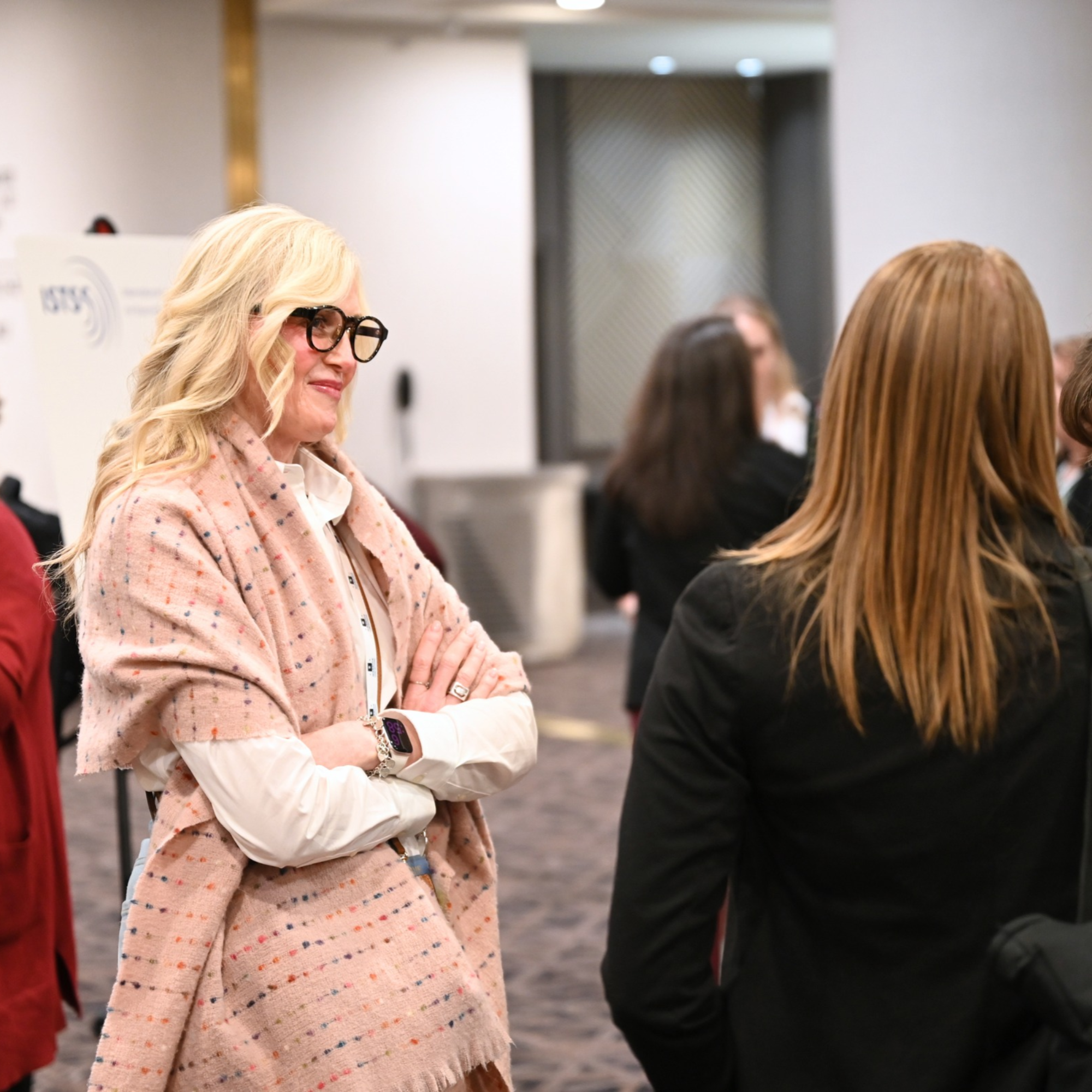
The ISTSS Annual Meeting serves as a global forum that bridges research and practice to advance scientific knowledge, develop effective treatments, and inform public policy for the benefit of trauma survivors worldwide.
Get Involved
As the world’s premier multidisciplinary trauma organization, ISTSS offers inclusive membership tiers and professional benefits—including journal access, networking, and career resources—to foster the global exchange of traumatic stress knowledge.
Upcoming Events
Attending ISTSS events directly supports a global mission to advance traumatic stress research, foster inclusive professional dialogue, and fund critical initiatives that build resilience in trauma-affected communities worldwide.
Content Moderation Trauma Support Resources
Explore four evidence-based policy briefs addressing the psychological impact of content moderation and what needs to change across systems.

Donate
Donating to ISTSS empowers a global mission to advance traumatic stress research, prevention, and clinical excellence. Your support ensures that life-changing knowledge remains culturally inclusive and accessible across geographic borders. By strengthening the society’s financial health, you enable vital initiatives that build lasting resilience for survivors worldwide. Ultimately, your contribution turns strategic goals into reality, helping global communities recover from the devastating effects of trauma.
News
Interested in serving as a reviewer for NIMH? – NULL
The NIMH is interested in expanding the pool of scientists that we engage to review applications submitted to our Institute. We are especially interested in including scientists whose participation can help to enhance diverse perspectives on our review panels and who represent a range of mental health research expertise.
Student perspectives: Reflective practice in time of conflict – Paige Klein, BA & Emmeline N. Taylor, MA
These past few weeks have been incredibly difficult for so many in the wake of the Hamas terrorist attack. Since October 7th, thousands of Israeli and Palestinian civilians have been devastated by the ongoing war between Israel and Hamas (Zanotti et al., 2023). This devastation also extends to Israeli, Palestinian, Jewish and Muslim identifying individuals living in the US and abroad who are also experiencing insurmountable losses.
Media matters: Just like me: Who engages with mass violence media? – Daniel P. Relihan, PhD
The proliferation of ubiquitous modern media technologies and the 24-hour news cycle allows people to engage with events anywhere in the world as they unfold. In the context of violent conflict, war and disaster, such instantaneous and vivid immersion into global events transmits traumatic experiences to geographically distant populations. For example, longitudinal research using probability-based U.S. nationally representative samples has shown that longer exposure to media coverage of the September 11, 2001 terrorist attacks (Silver et al., 2002), Iraq war (Silver et al., 2013), Boston Marathon bombings (Holman et al., 2013) and Orlando Pulse nightclub massacre (Thompson et al., 2019), was associated with greater acute and post-traumatic stress. Exposure to terrorism and war media is also prospectively associated with worse physical health years later (Holman & Silver, 2011; Holman et al., 2008; Silver et al., 2013). Today, disturbing images and videos of live military action and bloodied and dead civilians–including children–from the ongoing wars in Ukraine and Israel-Gaza inundate global media. Given the potential for news coverage to spread distress beyond borders, it is important to understand who is most vulnerable to engaging with such media to mitigate its negative psychological impacts by informing the public’s media consumption habits.
Thank you to our Institutional Members.